Window Treatment Trends 2026: Quebec Interior Directions
2026 window treatments: natural fibres, earthy tones, wave pleat and ceiling-mounted hardware. Chosen for Quebec climate and light. By Nalia, Sherbrooke.
Every season, clients from across Sherbrooke ask me the same question: what should they be doing with their windows right now? I never answer that question with a trend list alone. What matters is whether a trend will still look right in five years and whether it actually suits a Quebec home. The good news for 2026 is that most of what's emerging passes both tests. Natural materials, earthy tones, considered minimalism: these are moves that make sense for how we live here, and they're unlikely to date badly.
Natural Fibres: Linen, Organic Cotton, Hemp
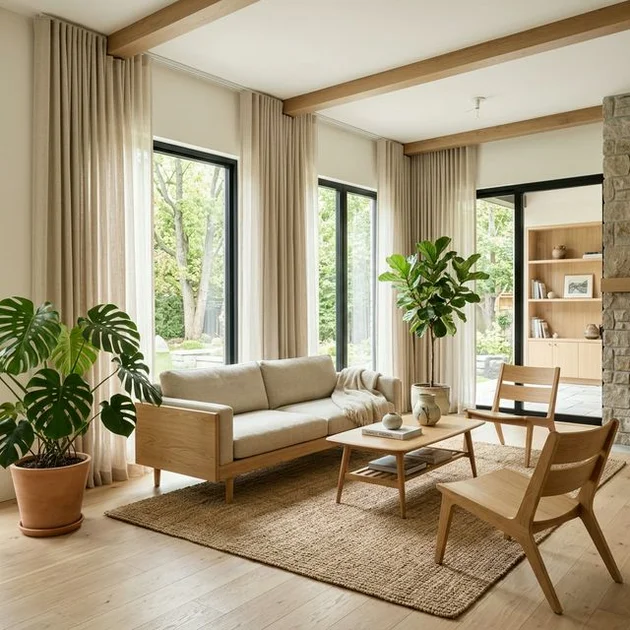
If there's one shift that defines curtain trends in 2026, it's the move toward natural fibres. Linen is leading, followed closely by organic cotton and hemp blends. Clients who've always gone with polyester blends are reconsidering, and when I show them a well-made linen panel hanging in the light, the conversation usually ends there.
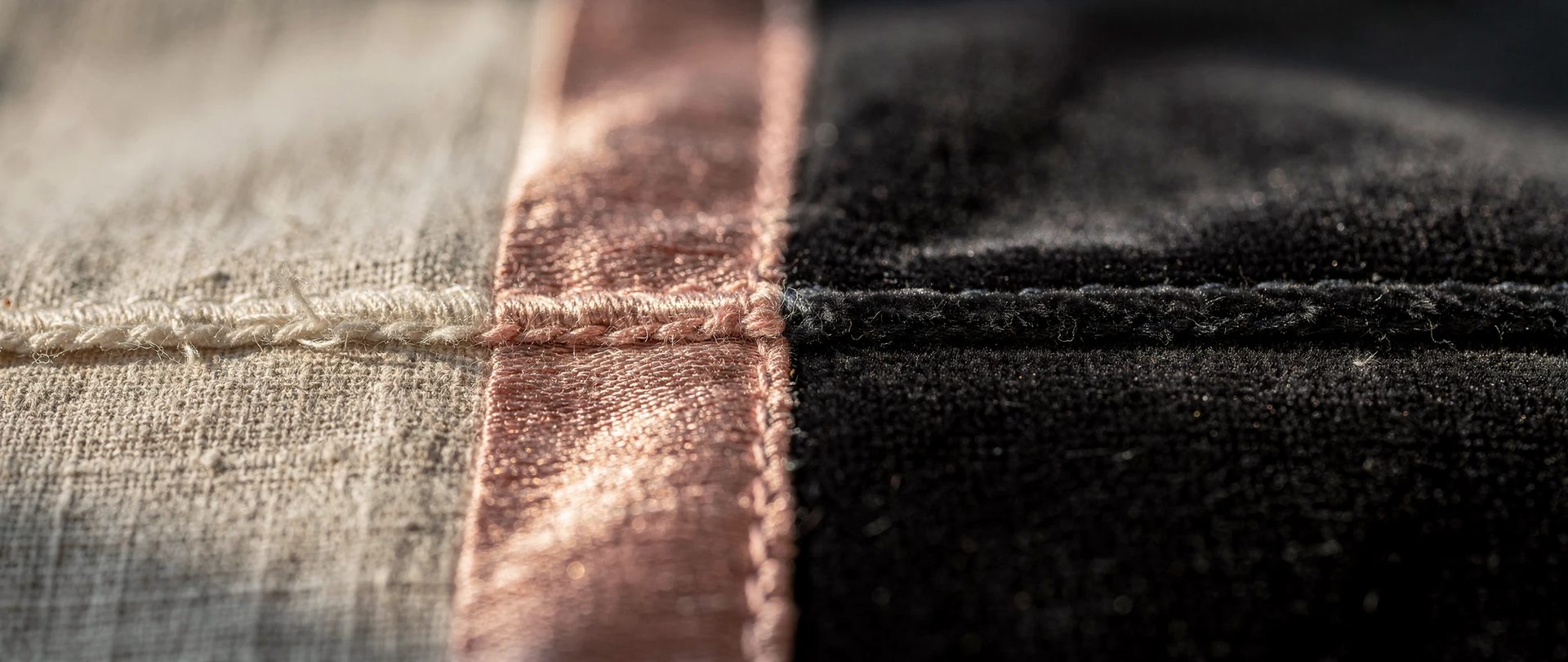
Natural fibres bring something synthetic textiles can't replicate: a texture you can see, a quality of light filtration that feels alive rather than flat, and a presence in the room that reads as genuinely crafted rather than commodity. Linen in particular has a slight irregularity in its weave that makes it more interesting the closer you look.
There's also a practical argument for natural fibres in Quebec specifically. Our climate is demanding: dry forced-air heat all winter, humid summers, wide seasonal temperature swings. Linen breathes, manages moisture naturally, and holds its shape across those cycles far better than synthetics that soften and sag with heat. A well-made linen panel you install this year should still look precise in a decade. That's the kind of longevity I design for.
The Earthy Palette: Terracotta, Sage, Oat, Warm Neutrals
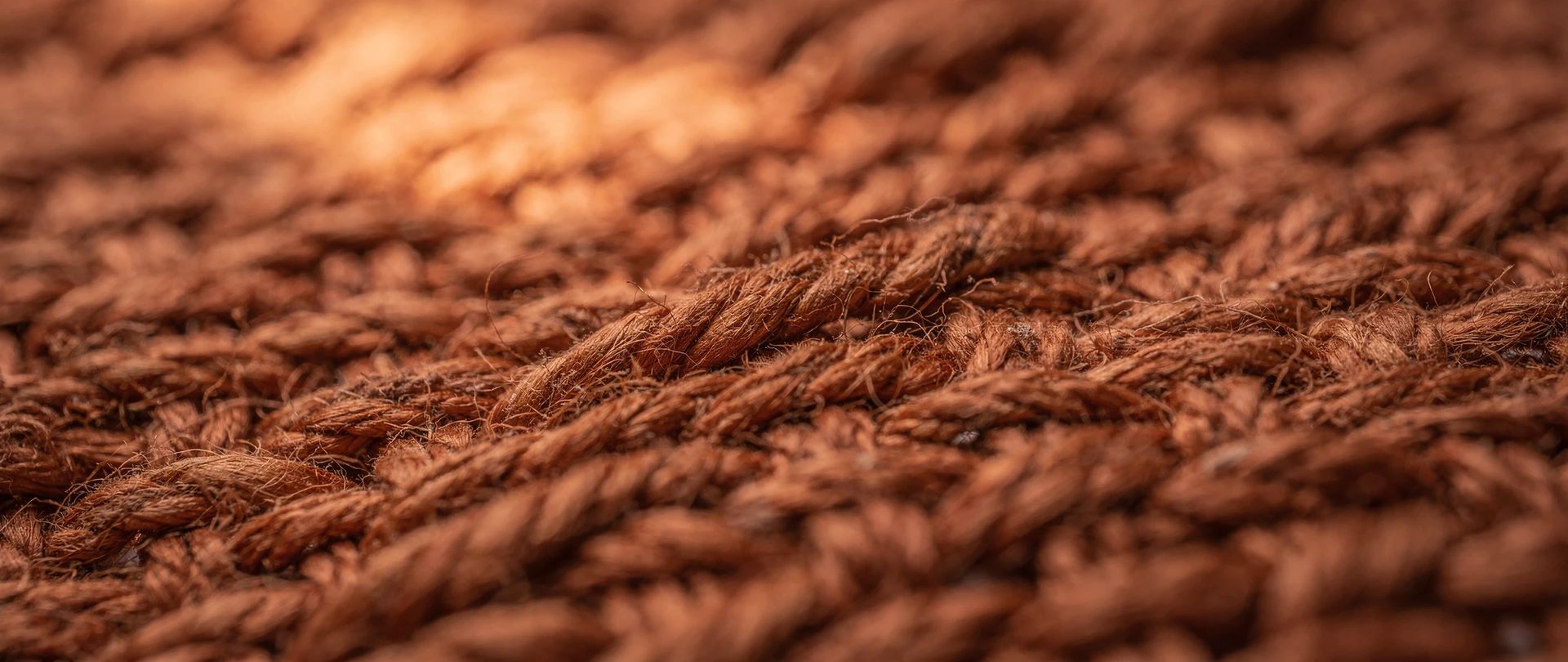
The cool greys and stark whites that defined so many interiors through the 2010s are giving way to something warmer. The 2026 palette draws from earth, stone, and forest: terracotta with its clay warmth, sage that reads green without demanding attention, oat and sand that serve as sophisticated neutrals, and off-whites with a beige rather than blue base.
For Sherbrooke homes, especially the older properties on the Plateau St-Joseph with their natural wood floors and solid millwork, this palette is a natural fit. These tones don't compete with architectural details, they settle in beside them. And they respond beautifully to our northern light, which comes in low and warm in winter and direct in summer. An oat-coloured linen curtain in a south-facing room doesn't bleach out; it picks up the light and glows.
If you're choosing between several tones and aren't sure where to start, oat or warm sand is almost always the safe entry point. It's flexible enough to survive future furniture changes and honest enough not to look trendy in three years.
Wave Pleat: Still Dominant, Still Correct
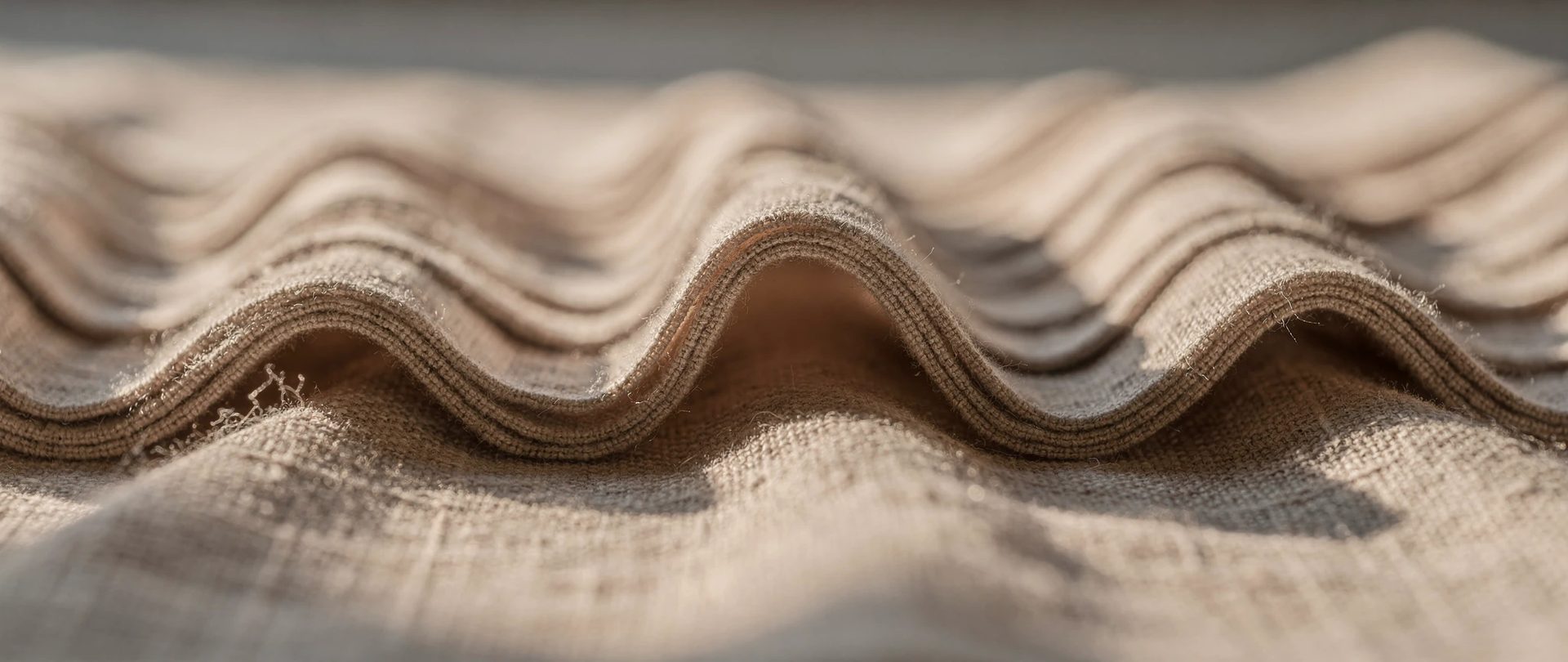
Wave pleat continues to define the leading edge of curtain trends in 2026, and for good reason: it's genuinely the most elegant pleat style available for the materials and aesthetic direction that are defining this decade.
The wave pleat creates a continuous, even ripple down the length of the curtain. There's no pinch, no sharp fold, no interruption — just a slow, sculptural undulation that falls differently in different light. Paired with linen or organic cotton, it becomes something close to architecture: the window stops being a functional element and starts being a considered one.
What clients sometimes don't see until they've had it installed is how much precision goes into making wave pleat look effortless. The spacing of the gliders on the track, the tension of the guide cord sewn into the back of the fabric, the calculation of the fabric ratio: every element determines whether the waves land evenly from top to bottom. Done correctly, it looks inevitable. Done carelessly, it looks lumpy. This is where craft matters.
Layering: Sheer and Opaque Together
Layered window treatments, a sheer or semi-sheer in front, a heavier opaque panel behind, are having a significant moment in 2026, and it's a trend I've always believed in for practical reasons.
Layering isn't about luxury. It's about flexibility. In Quebec, we need light in winter and privacy in summer. Two well-chosen layers answer both needs without compromise.
In practice, this means two independently operating curtain tracks: the sheers stay put most of the time, softening the light and maintaining visual connection with the outdoors; the heavier curtains close when you need privacy, warmth, or to block the late afternoon sun without shutting out the day entirely.
For homes in Sherbrooke with south- or west-facing windows, this system is particularly valuable. The difference in comfort, thermal and visual, between a layered treatment and a single opaque panel is substantial once you've lived with it through a full Quebec year.
The key to making layering look intentional rather than cluttered is keeping both layers within the same colour family. An ivory sheer in front of an oat linen panel, or a natural linen voile in front of a soft sage opaque: the two layers converse rather than argue.
Ceiling-Mounted Hardware: The Single Most Transformative Move
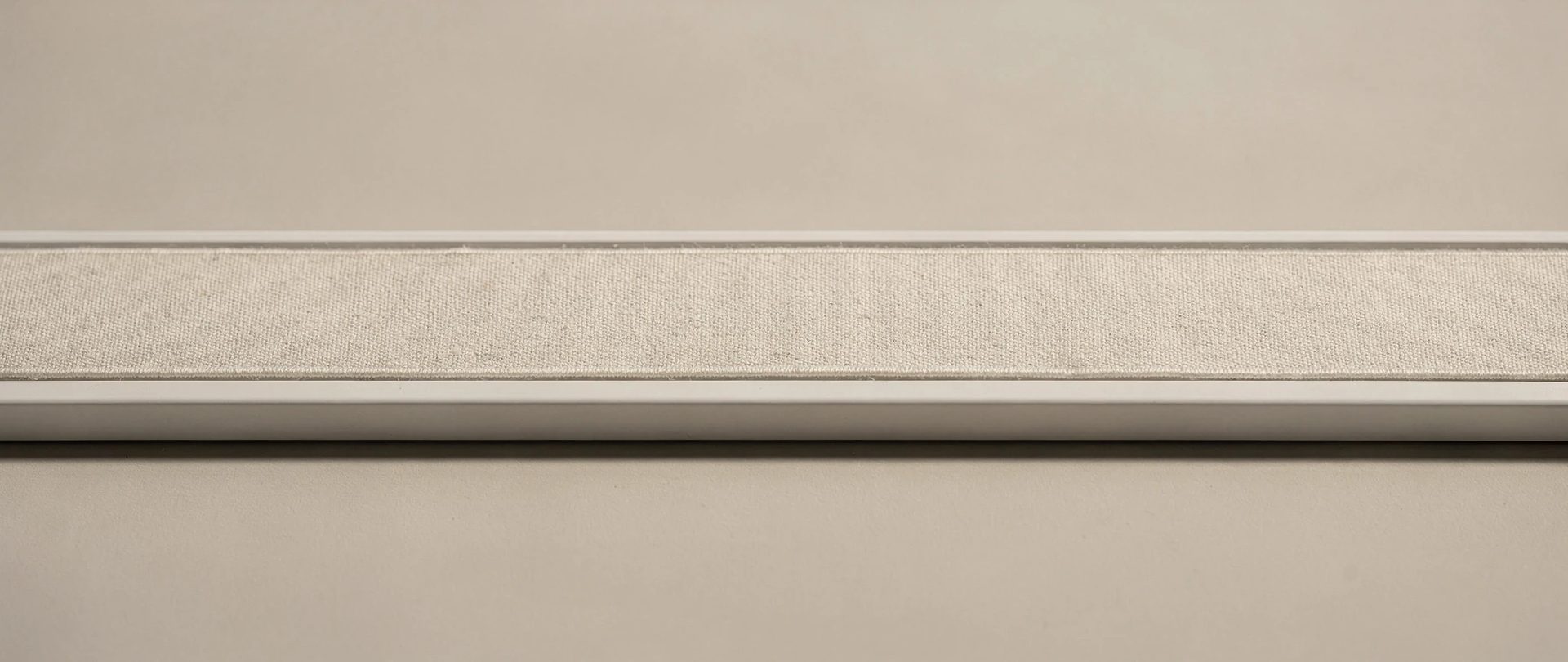
If I had to pick the one practical change that makes the biggest visual difference in any room, it's this: mount your curtain track at the ceiling, not above the window frame.
When the track runs along the ceiling and the curtain falls all the way to the floor, several things happen simultaneously. The room reads as taller. The window reads as larger. The curtain itself takes on an architectural presence — it defines the wall rather than sitting in front of the window. In Sherbrooke homes with nine-foot ceilings and generous windows, this approach takes full advantage of the vertical space rather than ignoring most of it.
There's a thermal argument here too. A ceiling-to-floor curtain creates a more complete insulating barrier along an exterior wall in winter, which isn't a trivial consideration when heating costs are what they are in Quebec. It's a detail that looks beautiful and works harder.
The main thing ceiling-mounting requires is planning: the track needs to be specified and installed before the curtains are made, because the measurement from ceiling to floor is what drives the cut length. This is one more reason why starting with a consultation rather than buying off-the-shelf makes sense.
Japandi Influence: Minimalism That Stays Warm
Japandi, the design current that blends Japanese minimalism with Scandinavian warmth, continues to shape interiors in 2026. For window treatments, its influence shows up as a preference for restraint: fewer elements, better chosen, made with evident care.
This means no fringe, no heavy decorative tiebacks, no busy prints. What remains is the quality of the cloth, the precision of the drop, and the integrity of the construction. In a japandi-inflected room, the curtain earns its place through material quality and fit, not decoration.
This is where texture takes over the work that pattern used to do. A slightly gauze-woven linen, a cotton with a visible twill structure, a hemp blend with a natural slub: the surface of the fabric creates visual interest without imposing. In a quiet room with light wood furniture and a careful selection of plants, a textured natural curtain reads as complete. Nothing is missing.
What This All Points To
The window treatment trends of 2026 form a coherent picture: materials chosen for longevity, colours chosen for ease, forms chosen to complement the architecture rather than decorate over it. That's a sensibility I've built my practice around, and it's encouraging to see it reflected in what clients are asking for.
If you're in Sherbrooke and thinking about updating your window treatments this season, the residential service starts with a conversation about your space, your light, and what you actually want to live with. No pressure, no package, just a considered approach to what works for your home.
Book a free consultation and let's find what's right for your windows.