Wave Pleat Curtains: The 2026 Drapery Trend Explained
Wave pleat is a track-mounted heading that forms even, continuous waves. Fluid and modern where pinch pleat is formal. Guide by Nalia, Sherbrooke.
Some design trends fade. Others stay because they're simply right.
Wave pleat curtains belong to the second category.
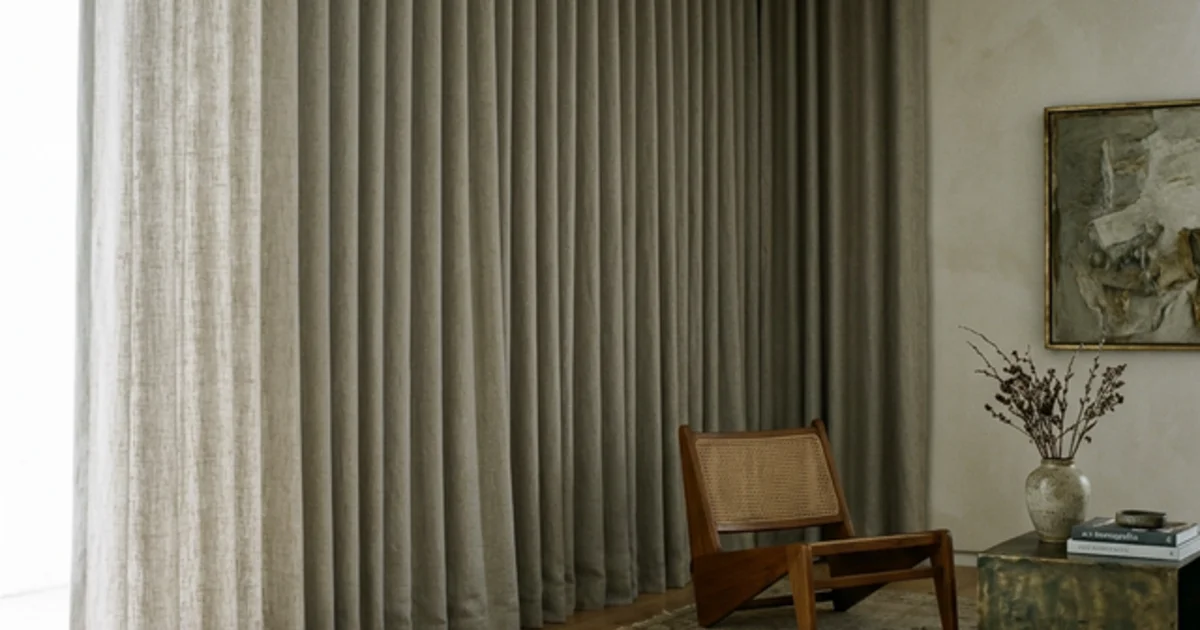
Over the past few seasons, more and more clients have been arriving with photos of minimalist living rooms, bedrooms where the curtains flow in even, gentle waves to the floor, and asking: what is that finish called? It's wave pleat. And it deserves a proper introduction.
What wave pleat actually is
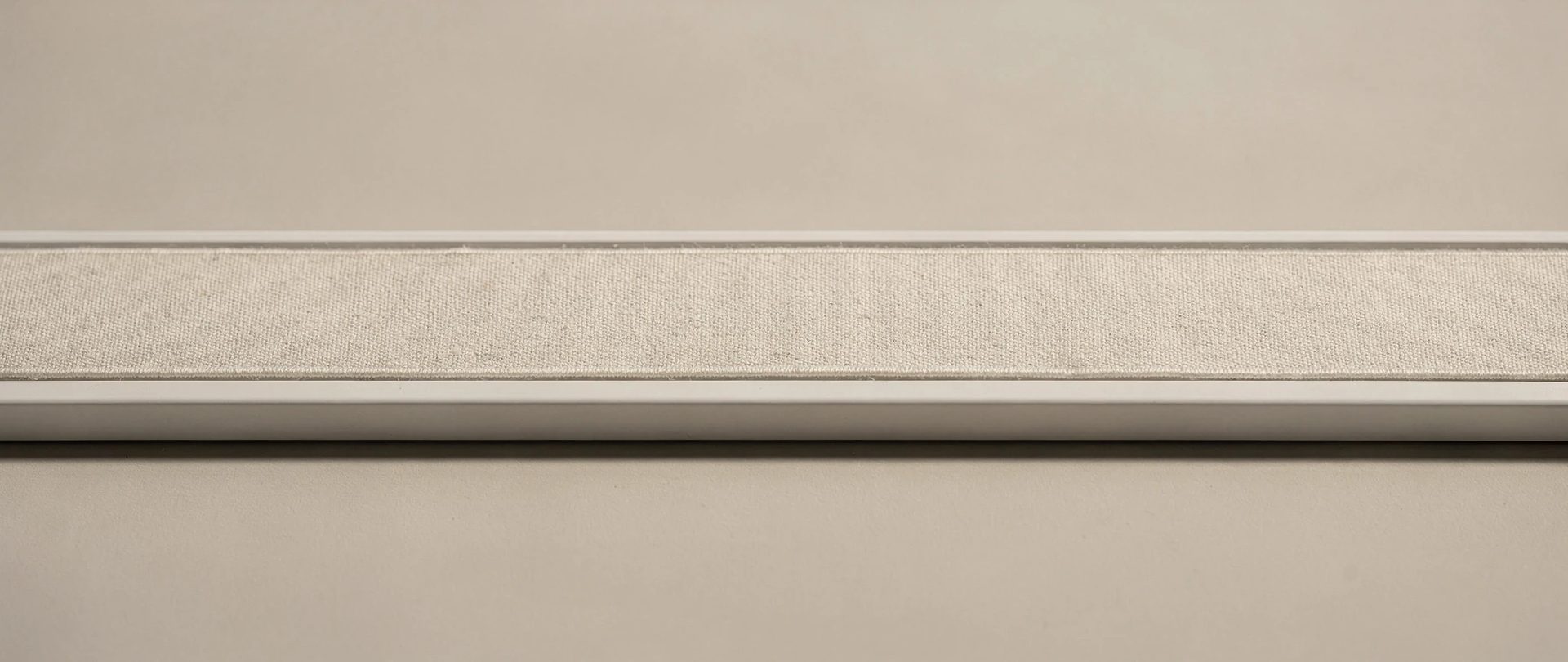
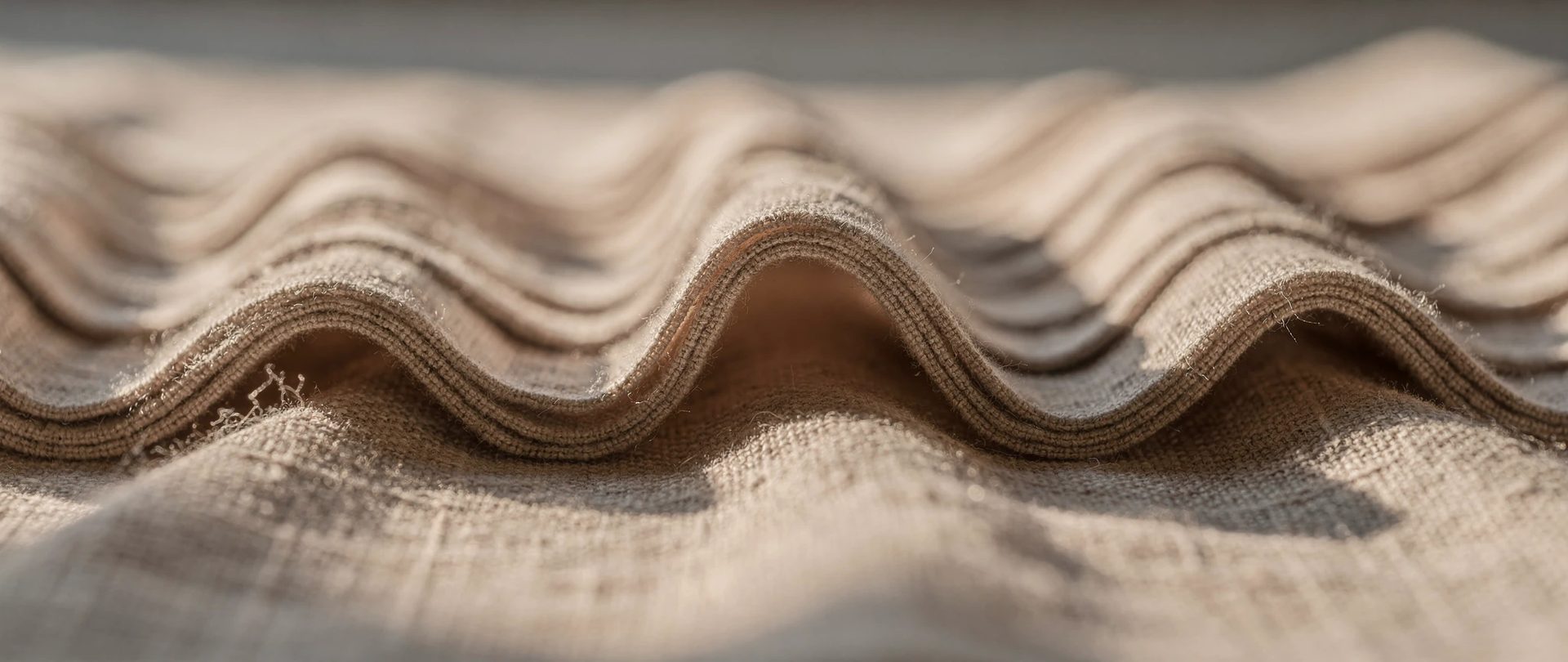
Wave pleat is a curtain heading system that attaches to a track rail, usually aluminum, and creates smooth, continuous, evenly-spaced waves across the full width of the panel. Unlike pinch pleat, which gathers fabric into bouquets at measured intervals, or goblet pleat, with its more formal, architectural silhouette, wave pleat produces fluid, almost living movement.
The effect is at once modern and warm. The fabric doesn't bunch. It breathes.
Wave pleat is restraint that refuses to be invisible. One well-dressed window, and the whole room changes register.
Why it's difficult to get right without custom work
What the photos don't show is the precision this heading demands.
Wave pleat doesn't forgive approximation. If the fabric is too lightweight, the waves collapse. If the fullness ratio isn't calculated to match your exact window width, the waves end up uneven: some wider, some pinching at the edges. And if the track isn't mounted at the right height relative to the ceiling or window frame, the sculpted effect disappears.
These are the kinds of details you can only evaluate in an atelier, with the actual fabric in hand.
The fabrics that work
Not every fabric lends itself to wave pleat. You need body, enough to hold the wave, combined with fluidity so the movement feels natural.
The materials that consistently give the best results:
- Mid-weight linen: warm, slightly textured, falls with quiet dignity. My first recommendation for Sherbrooke homes with tall windows.
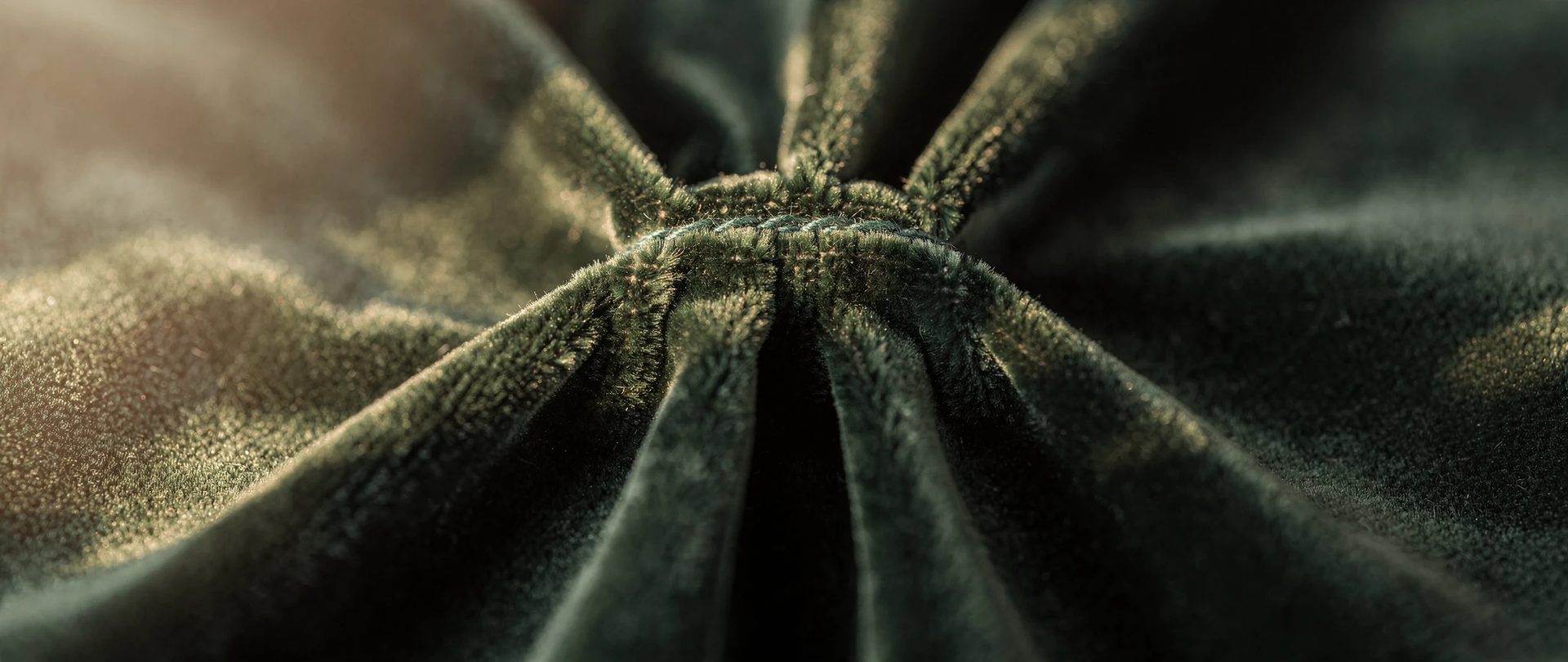
- Cotton velvet: more dramatic, perfect for bedrooms where you want to create a soft, enveloping atmosphere. Worth noting the care requirements.
- High-quality woven polyester: easier to maintain, colour-stable, and holds wave pleat beautifully. Yes, polyester can be beautiful: it depends entirely on the weave.
- Raw silk: for those who want something precious. Wave pleat in silk has a shifting lustre that changes through the day.
Avoid: organzas, very light sheers, untreated long-pile fabrics. They don't hold.
Height: the most underestimated detail
One of the most common things I correct when I take measurements: curtains that are too short.
For wave pleat to deliver its full effect, panels should reach to the floor, ideally with a slight excess of 1 to 3 cm so the fabric rests gently at the base. Designers call this a minimal puddle.
And the track? It's typically mounted 15 to 20 cm above the window frame, or all the way to the ceiling if the room height allows. The higher the track, the taller the window appears. Simple optics — but it changes everything.
What I offer at the atelier
When a client asks for wave pleat curtains, here's how it works:
- On-site measurements in Sherbrooke: I come to you. We calculate width, height, and fullness ratio together based on your track and chosen fabric.
- Fabric selection: I have samples at the atelier. Clients often arrive with one idea and leave with something different, because we've held the fabrics together in the actual light of the room.
- Fabrication: each panel is cut, pleated, and finished by hand. Production time ranges from one to three weeks depending on the fabric and complexity.
- Installation support: I often accompany installation to ensure the waves fall exactly as planned.
Wave pleat isn't a trend that will disappear after one season on Pinterest. It's a way of thinking about curtains as an element of interior architecture — not just a panel you pull to block light.
If you have a project in mind, get in touch. I'd be glad to talk it through with you.