Cottage Window Treatments: A Quebec Guide
Custom cottage curtains handle odd sizes, lake humidity and seasonal closure, where retail options fail. By Nalia, Sherbrooke.
Cottage windows are not city windows. A client from Magog contacted me last spring about her chalet on Lake Memphrémagog: windows from 1987, every single one a different size, curtains from a big-box store that had gone limp and faded after two summers of lake humidity. She wanted something beautiful that would actually hold up. That's the brief I work with more and more across the Eastern Townships, and it's one the standard retail options consistently fail to answer.
What makes cottage windows different
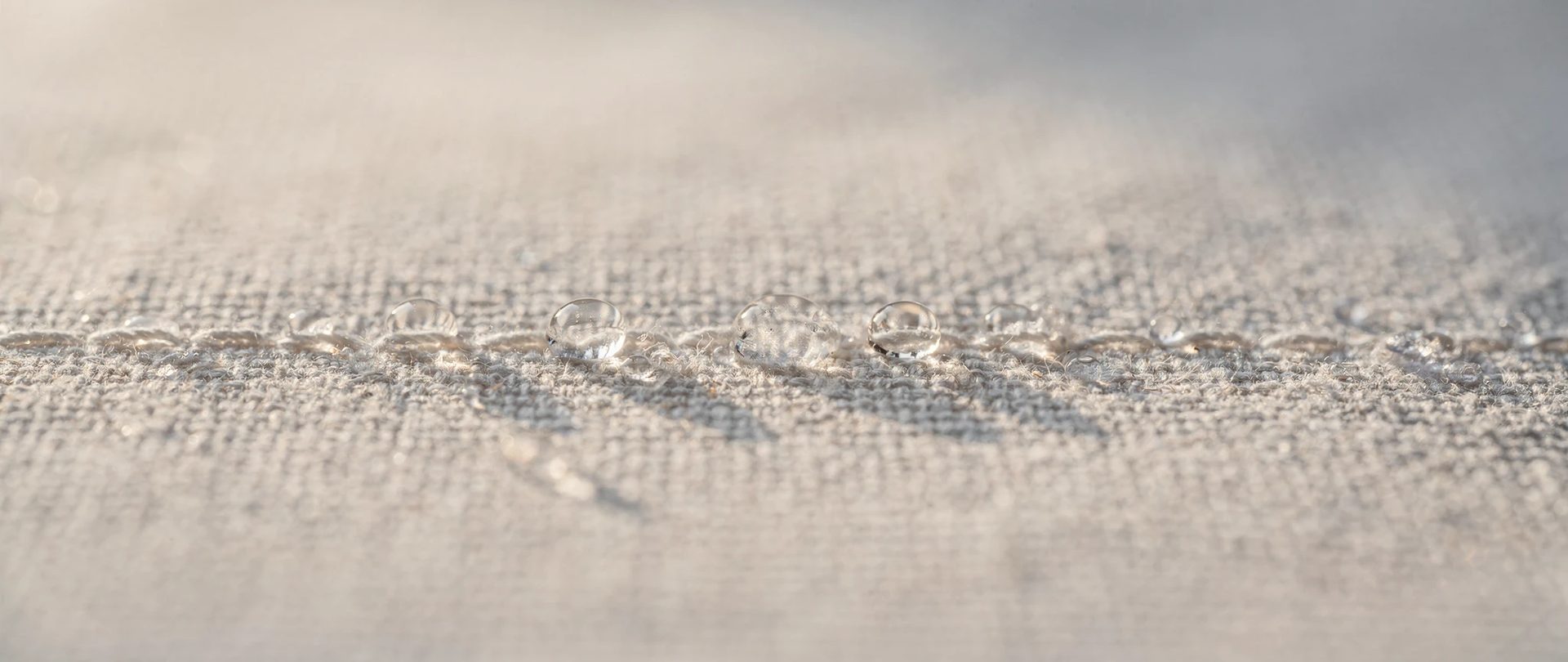
Seasonal use creates conditions that residential window treatments aren't always built to handle. A cottage that sits closed from October through May accumulates ambient humidity that works its way into fabric fibers. Untreated or poorly chosen materials can mold, warp, or discolour over a single winter, and there's no way to catch it until you arrive to open the cottage in May.
Lakeside properties add another layer. The constant evaporation off lakes like Memphrémagog, Massawippi, or Brompton creates persistent humidity throughout the summer. Curtains that look fine in an urban bedroom will yellow, soften, or lose their shape in a season or two when exposed to that environment.
Non-standard dimensions are the other cottage reality. Chalets built between the 1960s and 1990s frequently used whatever windows were available. I've measured openings of 73 cm and 81 cm in the same room, neither of which matches anything on a retail shelf. Off-the-shelf panels don't cover them properly; they leave gaps at the sides, stop short of the floor, or pull awkwardly across an opening they were never designed for.
Temperature swings are the third factor. A room that drops to -20°C in January and bakes at +35°C in an unconditioned summer cottage creates stresses that cheap synthetic fabrics don't survive gracefully. They shrink, stretch out of shape, or develop a stiff quality that makes them look cheap even when new.
For trailers and recreational vehicles, the constraints sharpen further: window openings are often miniature, the walls are thin, and the mounting hardware has to be genuinely lightweight.
Fabric choices for lake country
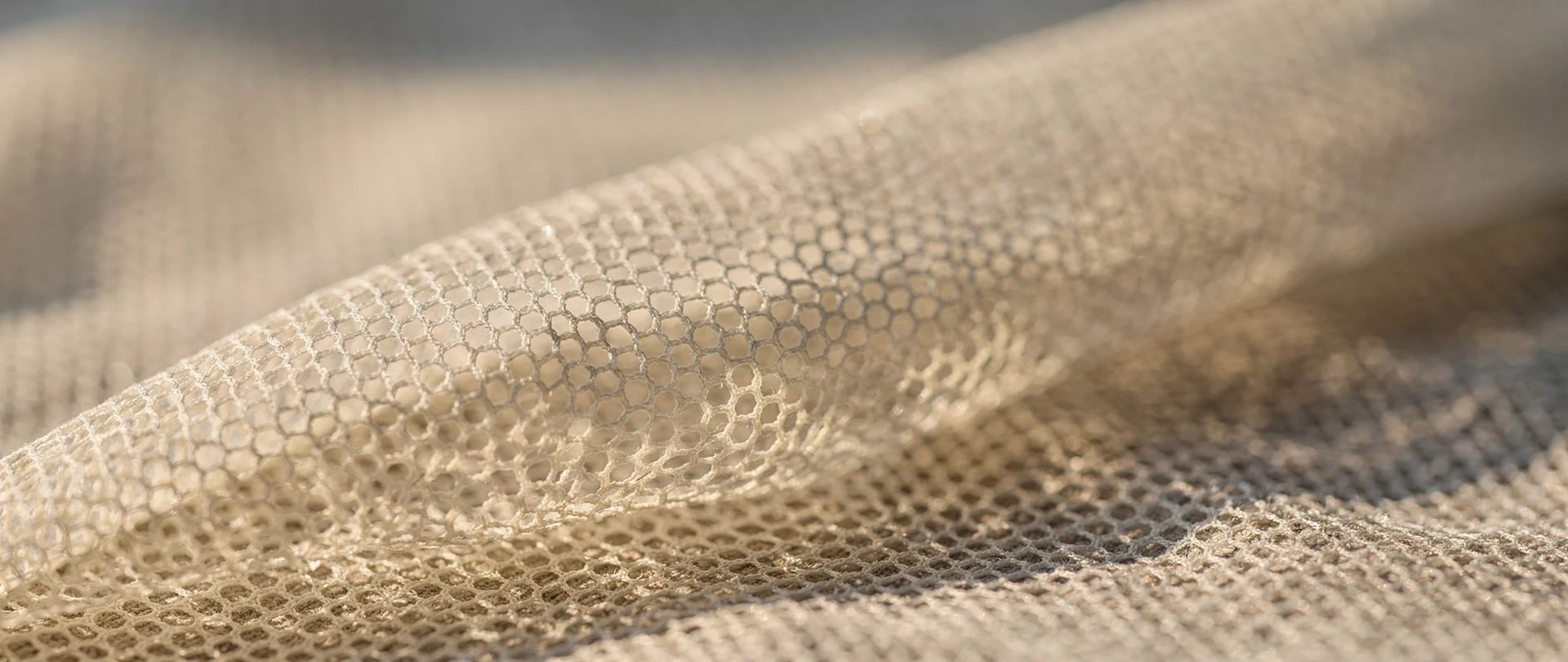
Linen is my default recommendation for cottage projects. It breathes, it handles humidity regulation better than synthetics, and it ages gracefully in ways that reinforce rather than undermine the aesthetic of a wood-frame cottage. A washed or slightly brushed linen in a natural, warm tone (ecru, oat, flax) works in both traditional and contemporary chalet interiors.
For windows with heavy direct sun exposure, particularly south- or west-facing lake views, I often recommend a lined treatment. A decorative linen face with a quality lining protects the main fabric from UV degradation and adds a layer of insulating weight for the shoulder seasons.
Washable cotton is the practical answer for family cottages where curtains will collect a season's worth of dust, insects, and handprints from children who don't stop to think about fabric care. Dry cleaning isn't always accessible in rural Estrie: machine-washable, pre-shrunk cotton that can be pulled down and washed at the cottage is often the most realistic long-term solution.
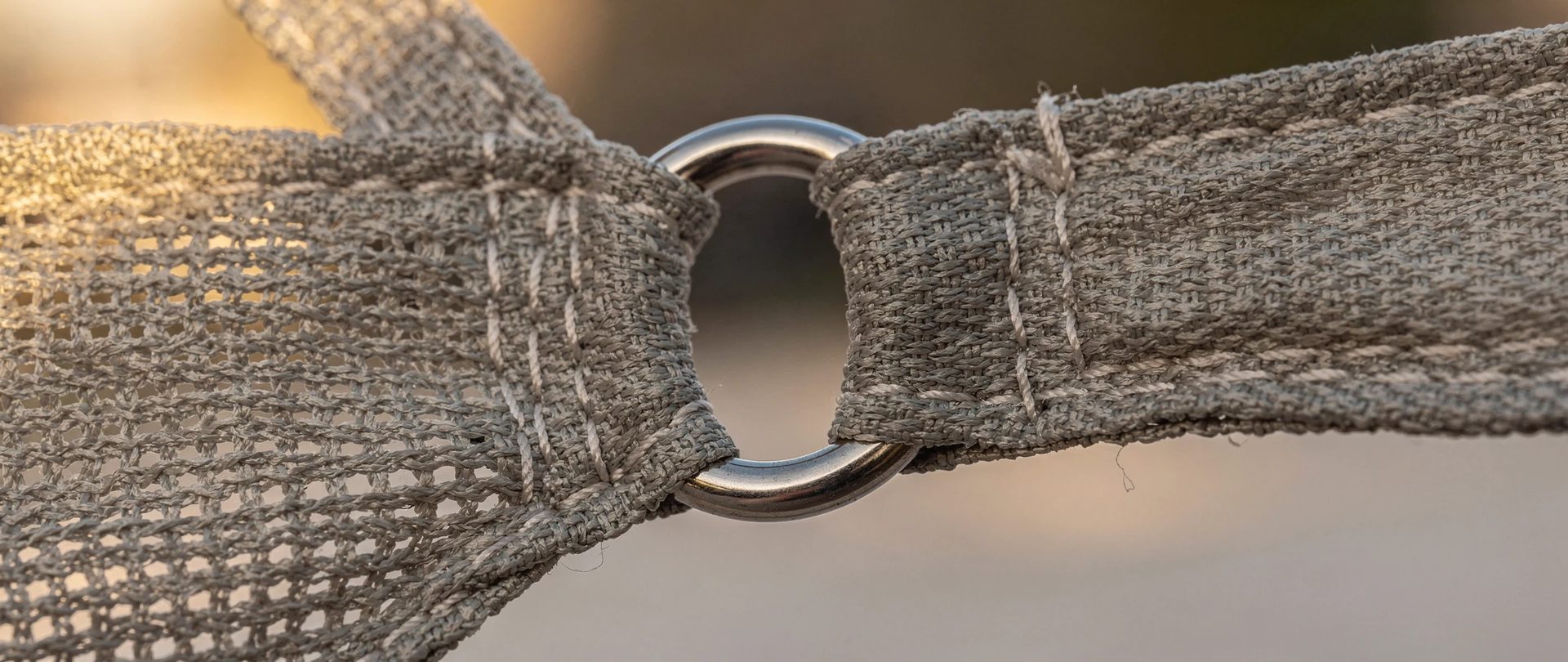
For trailers, weight becomes a genuine constraint. A heavy panel on a mounting rail screwed into a 2 cm partition wall will fail within a season. I work with lightweight fabrics and appropriate hardware (clip, tension, or textile attachment systems) designed for the realities of thin-wall construction.
Rustic-chic or modern chalet: two distinct directions
The Eastern Townships cottage market has split into two distinct aesthetic directions over the past several years, and I work with both.
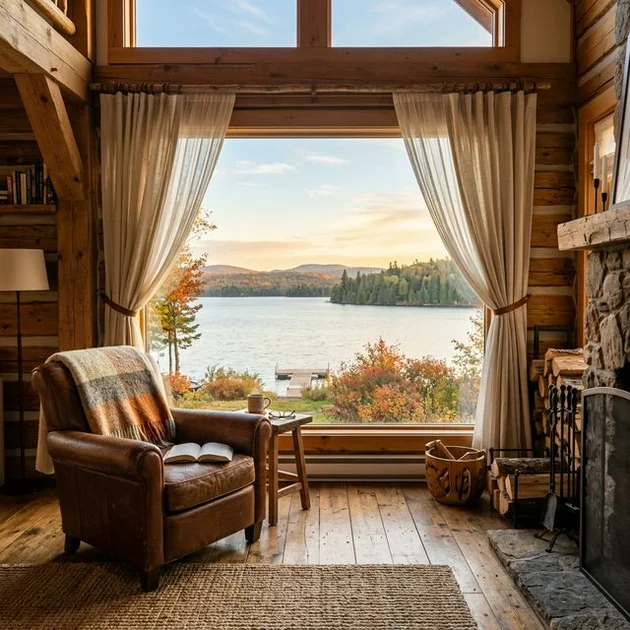
The first is what I think of as rustic-chic: natural tones, organic textures, hardware made from wood or raw metal. Curtains fall loosely on a wooden rod, a linen sheer filters the lake light without obstructing it, and the treatment feels like it belongs in the same visual world as exposed beams and a stone fireplace. This approach is forgiving of imperfect walls and irregular openings, which is part of why it works so well in older chalets.
The second is the contemporary cottage: the extensively renovated properties I see increasingly around Magog and North Hatley, where owners have invested significantly in the space and want window treatments that hold up against a well-finished interior. Single-pleat linen panels, textured roller fabrics in sophisticated neutrals, precision mounting. The same quality expectations as a primary residence, applied to a space that also needs to handle weekend use and seasonal closure.
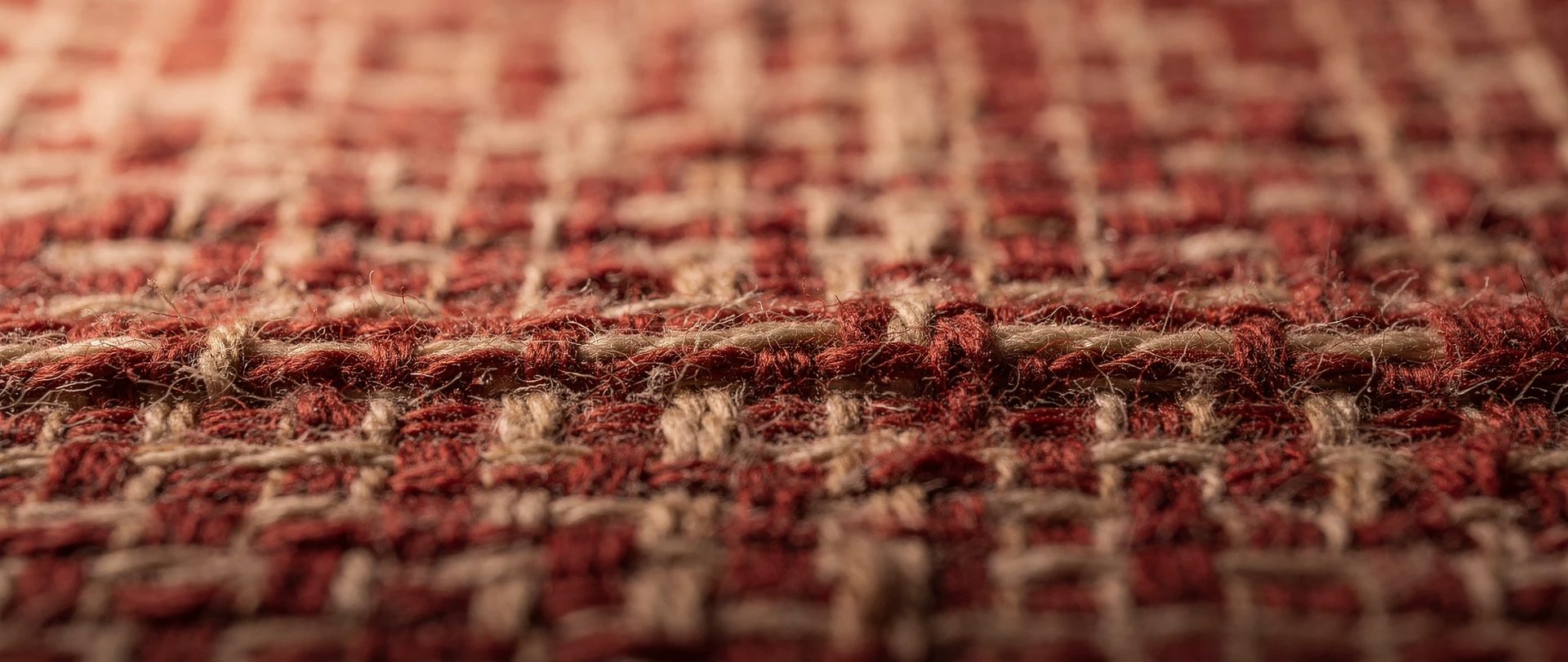
What I find rewarding about cottage work is the permission to bring in more character. In the city, clients often want the safety of a neutral choice. At the cottage, they'll say yes to rusted linen, faded plaid cotton, or an unfinished wooden rod. Those are some of my favorite projects. – Nalia
Making a small cottage feel larger with the right window treatment
Most Eastern Townships chalets are compact. A 14-foot living room with a 7-foot ceiling can feel tight if the window treatments work against the proportions of the space. The right approach, however, makes a significant difference without any structural change.
The most effective single intervention is rod height. Mounting the hardware as close to the ceiling as possible, even if the window itself starts halfway down the wall, and running a floor-length panel from that point creates a vertical line that visually lifts the room. This is one of the highest-impact, lowest-cost changes I can make in a cottage interior.
Width follows the same logic. A curtain that barely covers the window frame makes the window look smaller and the room feel more closed-in. Panels that extend well past the frame on both sides, and that pull completely clear of the opening when drawn back, suggest a much more generous window than what's actually there.
For small spaces, I also favour sheers over heavy treatments as the primary layer. A linen or cotton voile that filters lake light rather than blocking it, possibly layered with a light panel for privacy, keeps the space feeling open and connected to the outdoors, which is generally why people have a cottage in the first place.
Custom work across Estrie
My workshop is on the Plateau St-Joseph in Sherbrooke, but cottage work regularly takes me out of the city. I travel to Magog, Orford, North Hatley, Ayer's Cliff, Coaticook, and the lakeside communities around Massawippi, Memphrémagog, and Bishop Lake to take measurements on-site.
On-site measurement is essential for cottage projects. Irregular openings can't be assessed from photographs. I need to see the wall condition, the depth of the embrasure, the angle of the ceiling near a dormer window: details that determine whether a standard mounting will work or whether we need a custom solution. This travel is part of the standard service I offer across the region, documented on my residential page.
For covered galleries, verandas, or other semi-exterior spaces that are common at lakeside properties, I also offer outdoor-specific solutions covered on my exterior page.
If you have a cottage or trailer in the Eastern Townships with windows that have been bothering you (wrong sizes, worn fabric, or curtains that have never quite fit), request a quote and we'll start with a conversation about what you're trying to create.